Blog
Codex in Everyday Life at the Sydney Codex Community Meetup
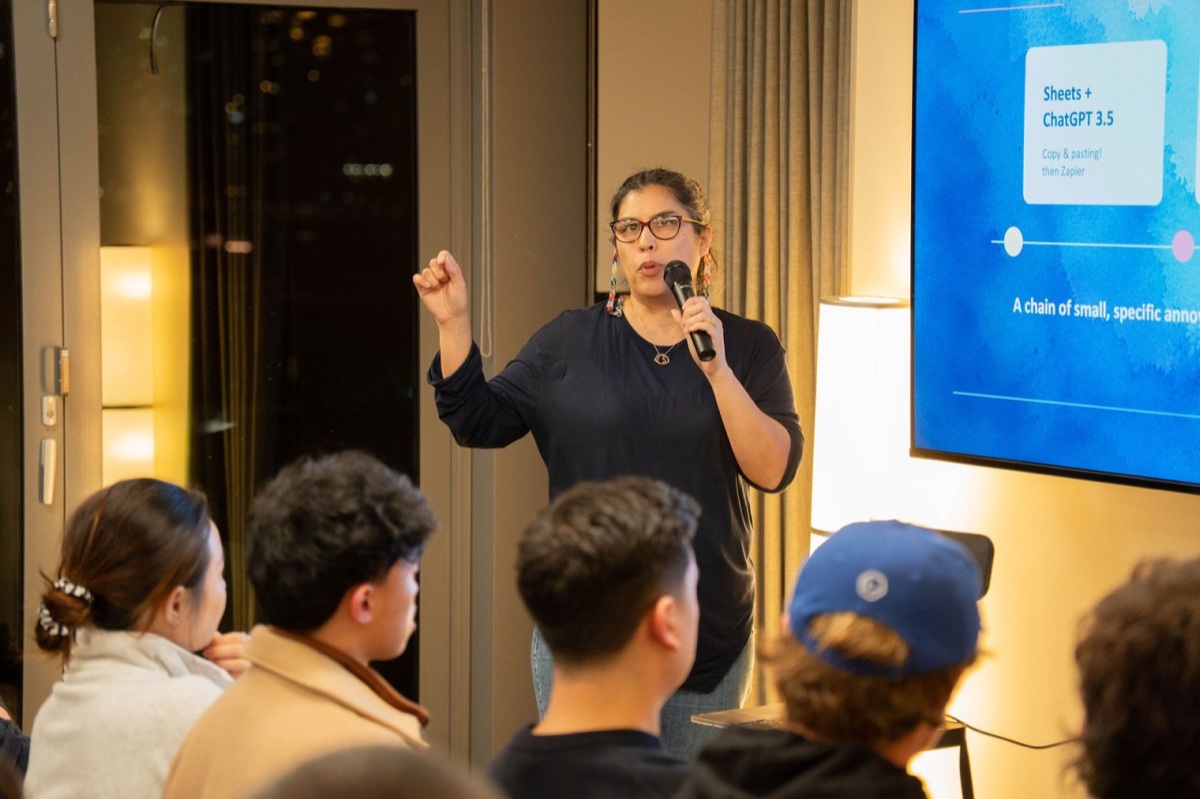
Still buzzing from attending the recent Sydney Codex Community Meetup overlooking beautiful Sydney Harbour.
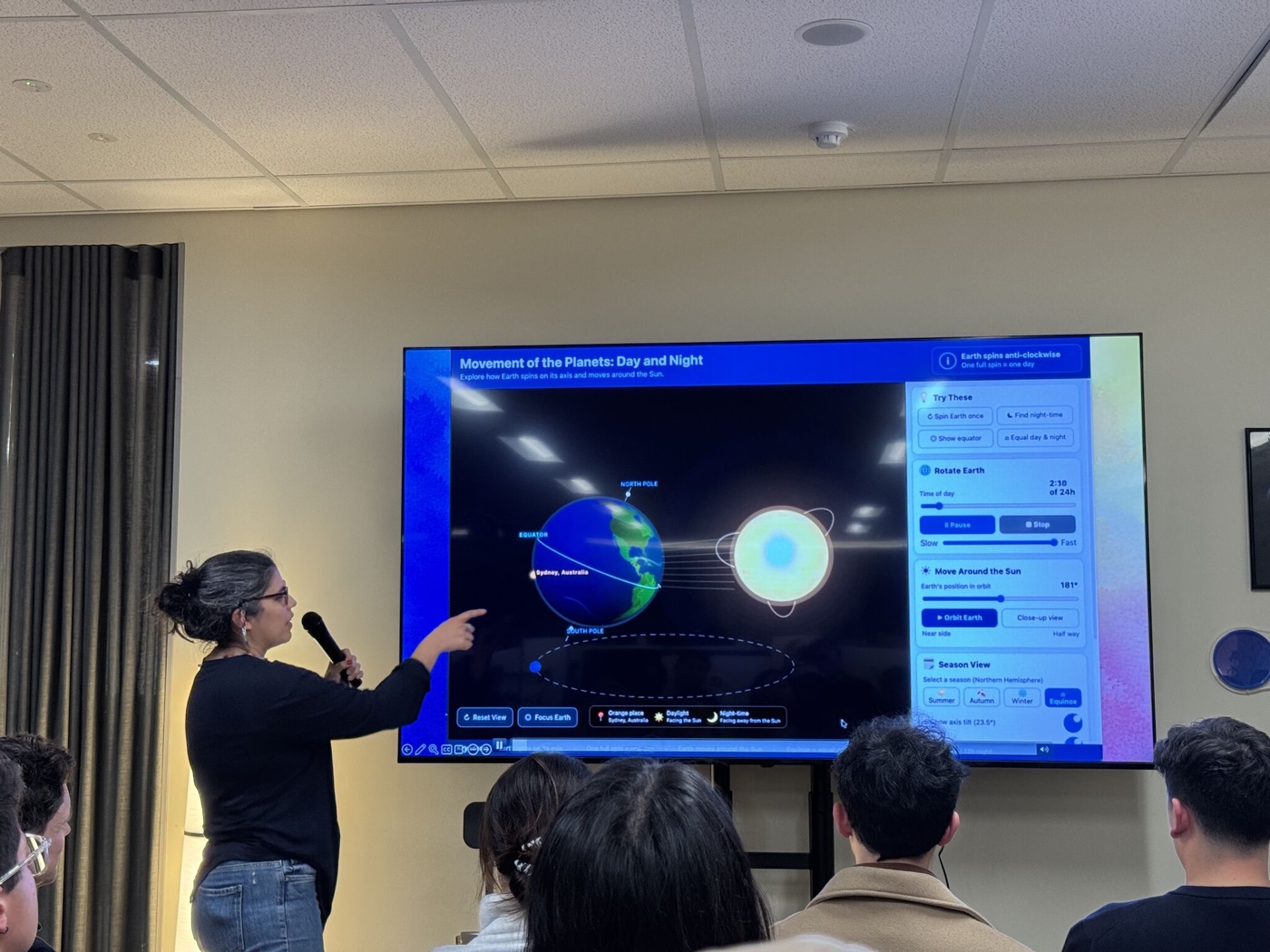
I gave a short talk on Codex in Everyday Life: Life Admin, Learning and Play, sharing a few small experiments I've been building with Codex: a robot game made with younger family members, an interactive learning demo, a life admin planner, and a personal AI news desk for filtering AI news.
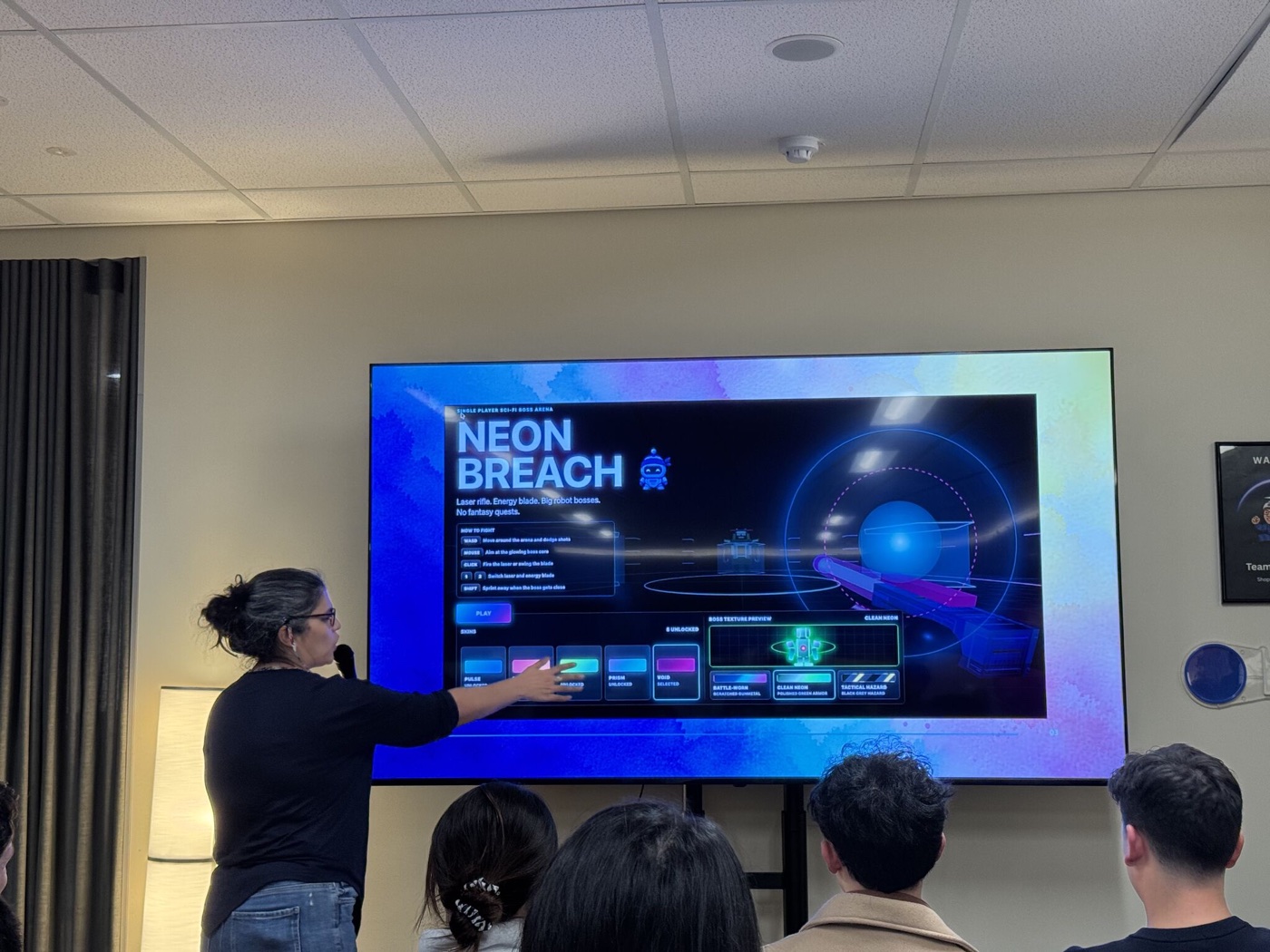
From a robot drawing to a playable game
The robot game started with the kids’ idea and a drawing of the main character. They helped decide how it should be played, and I used Codex with GPT-5.5 to turn it into Neon Breach, a browser game built with HTML, JavaScript and Three.js. We began with simple graphics to try out the gameplay, then kept refining the robot and adding tougher levels.
Building it involved testing and small fixes along the way. One improvement was making the loot dropped after a boss battle restore your health as well as unlock skins. These little rounds of building, testing and changing things were as much a part of the experiment as the finished game.
Later update: a new look for Titan-9
In September 2026, I returned to the game with Codex and GPT-6 Astra to refine Titan-9’s graphics. This later showcase gives a closer look at the updated robot.
A follow-on example: Focus Flower Voice Inbox
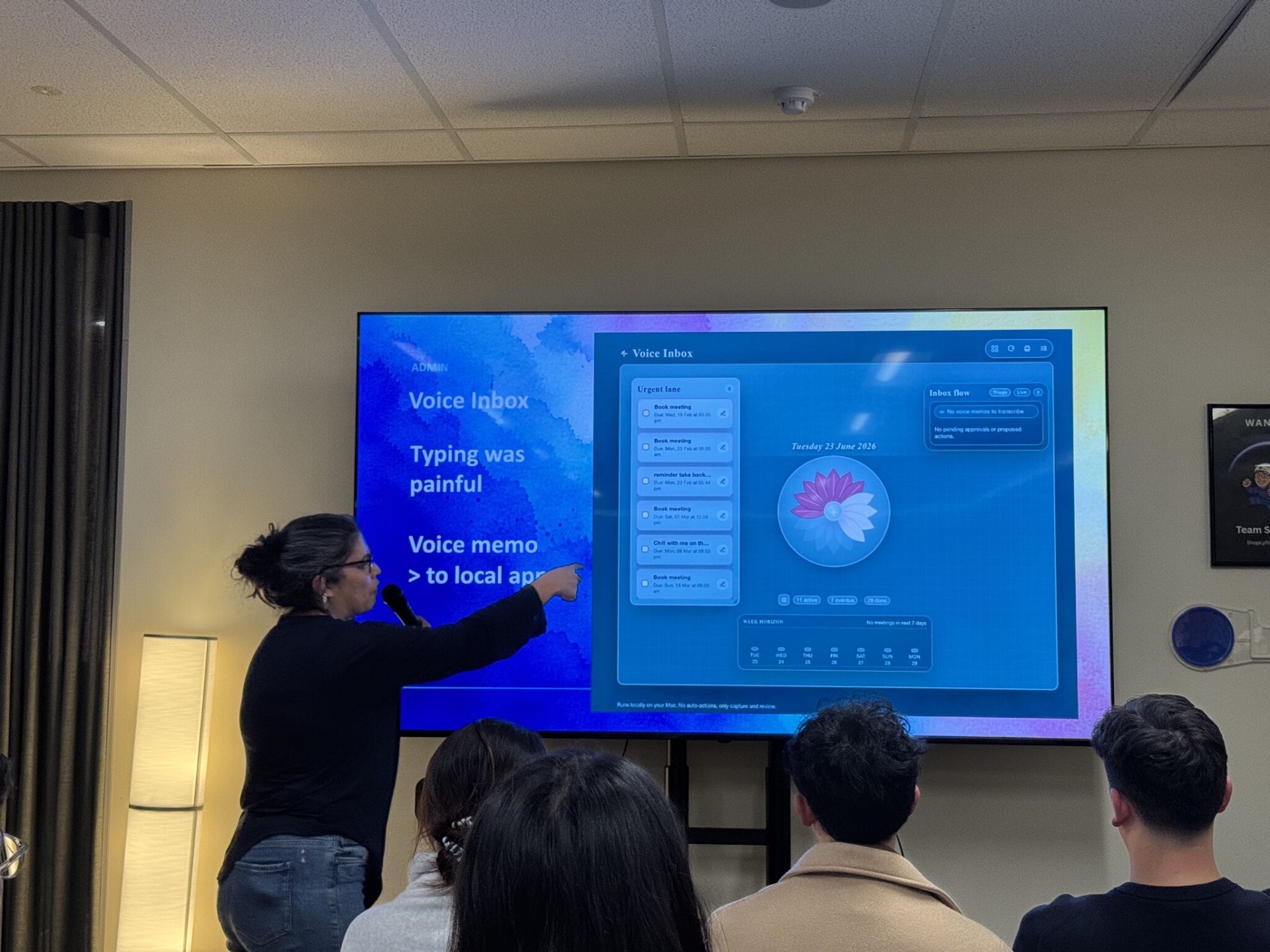
I’ve also shared Voice Inbox, a small prototype for capturing spoken thoughts and turning them into structured inbox items. I still review what needs a task, a reminder or no action. It uses prototype data; real calendar, email and task accounts aren’t connected. See the Voice Inbox prototype demo and build notes.
My angle was simple: I'm not a software engineer, but I'm curious about what becomes possible when everyday problems can turn into small working tools.
What I loved most was the conversation afterwards. So many people were talking about ideas, things they had always wanted to build, small problems they wanted to solve, and how Codex and AI might help close the gap between "I wish this existed" and "maybe I can make a first version."
And we kicked off with a Codex pet guessing game with the OpenAI team (spoiler: it was an iconic Aussie biscuit), which was such a fun example of making AI feel accessible and playful. That was followed by watching a World Cup card trading app being built in under 15 minutes.
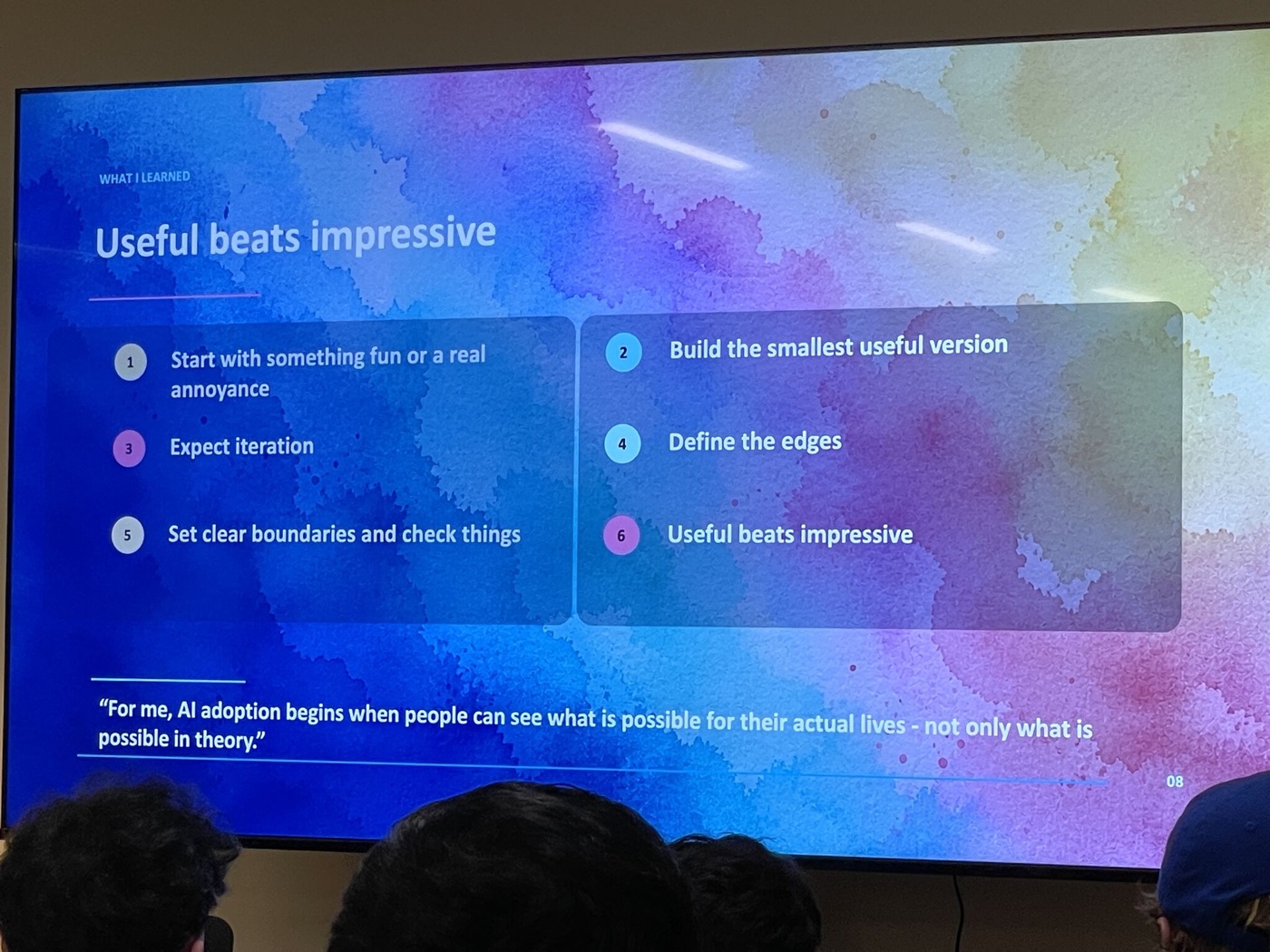
My big takeaway: creative possibility matters. AI adoption is not only about productivity or efficiency. It's also about helping people see what they can make, explore and solve for themselves.
Huge thanks to the Codex ambassadors and OpenAI Australia team for organising.
P.S. You can find upcoming OpenAI community events, including Codex meetups, on the OpenAI community events page.